
NATO Phonetic AlphabetConvert text to NATO phonetic alphabet for clear communication.
NATO Phonetic Alphabet
Convert text to NATO phonetic alphabet for clear communication.
Enter Text
Type the text you want to spell out phonetically.
View Phonetic
See each letter converted to its NATO phonetic word.
Read Aloud
Use the phonetic words for clear verbal communication.
What Is NATO Phonetic Alphabet?
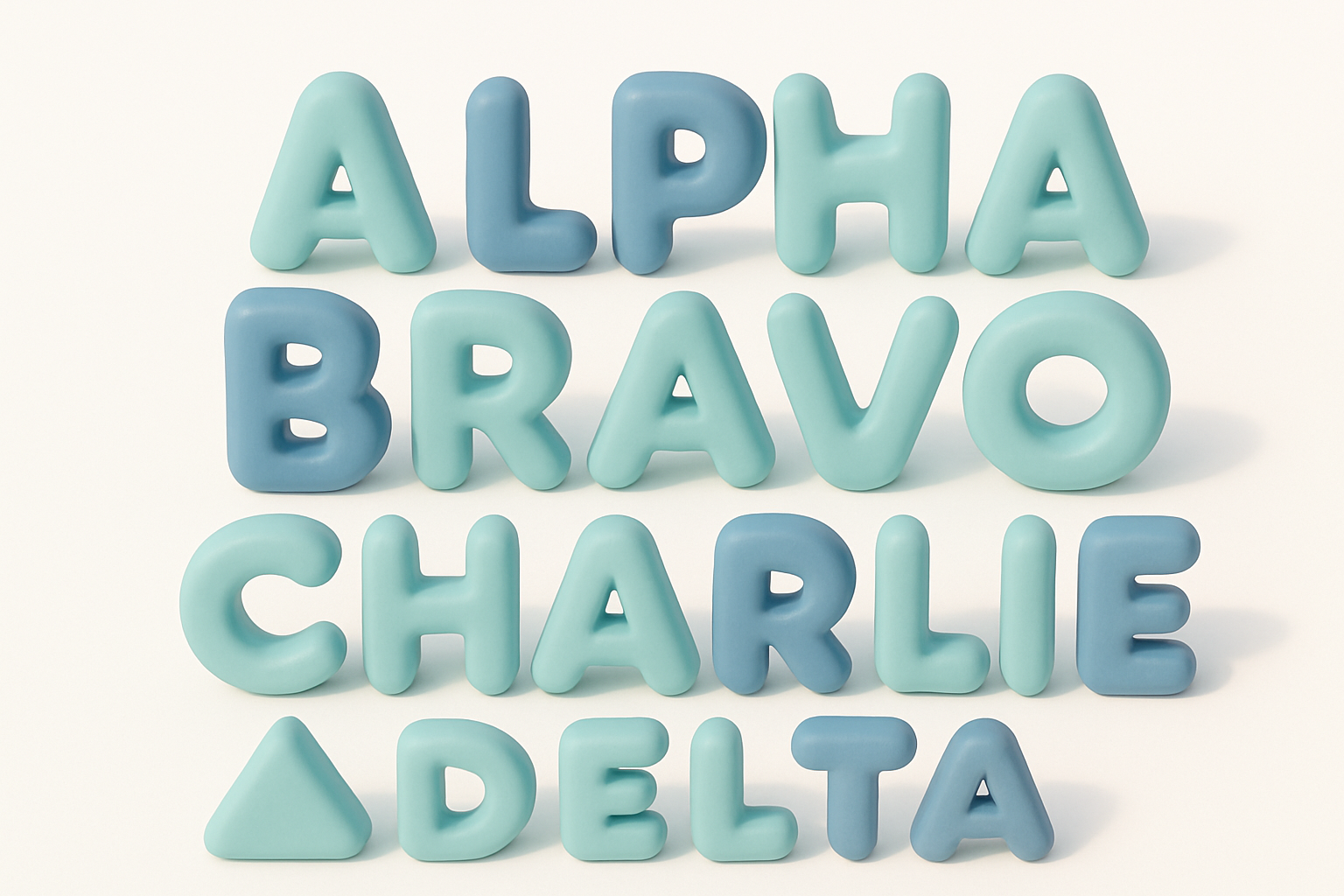
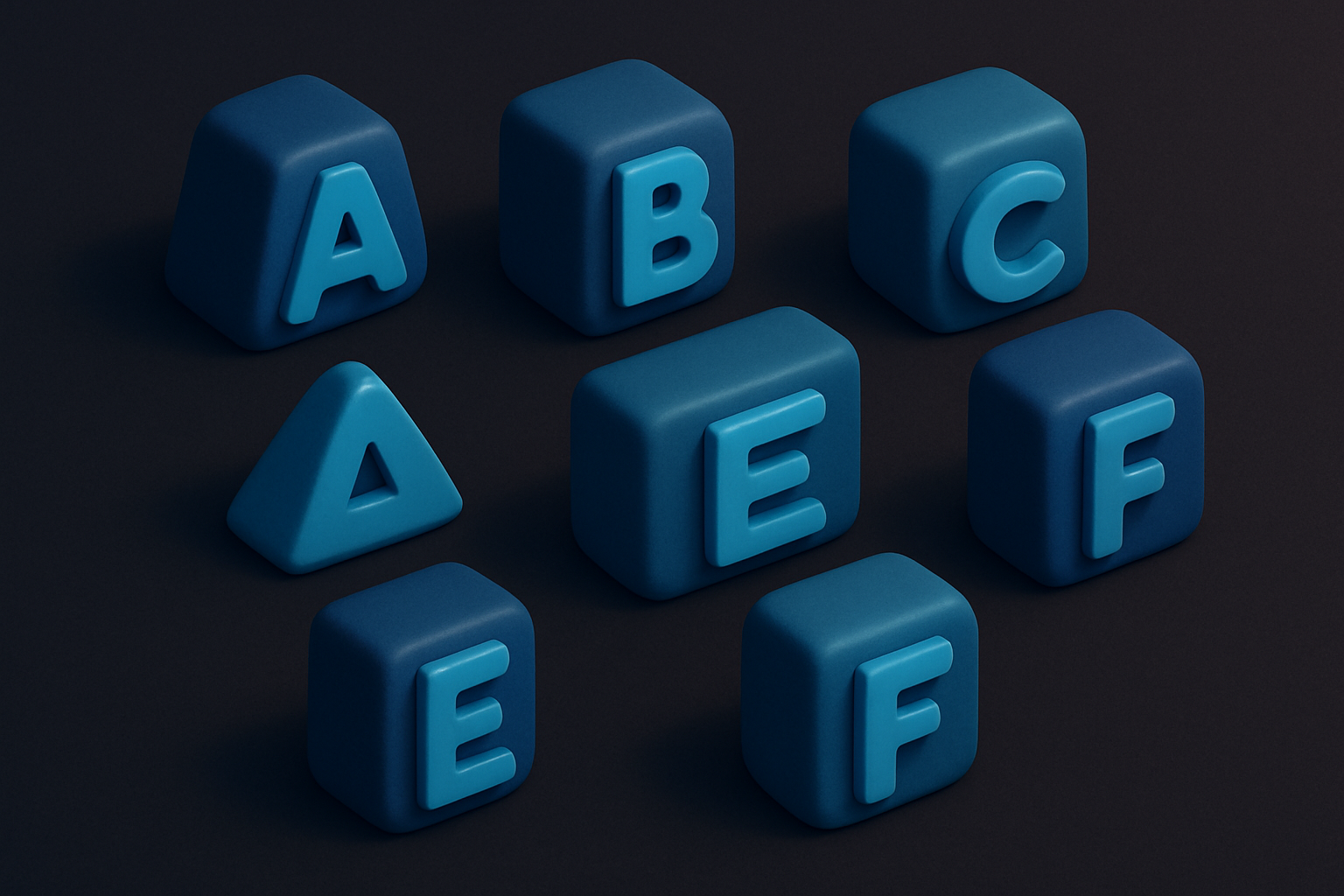
The NATO phonetic alphabet converter translates text into the international radiotelephony spelling alphabet used by military, aviation, maritime, and emergency services worldwide. Each letter is represented by a code word: A=Alpha, B=Bravo, C=Charlie, etc. Numbers have their own words: 0=Zero, 1=One, ..., 9=Niner (not "Nine" to avoid confusion with "No" or "Nein"). This system eliminates confusion when spelling words over radio, phone, or in noisy environments where similar-sounding letters (B/D, M/N, P/T) could be misheard.
Why Use Our NATO Phonetic Alphabet?
- Official NATO/ICAO phonetic alphabet
- Eliminates confusion between similar-sounding letters
- Essential for aviation, military, and emergency communication
- Includes phonetic number words
- Instant conversion for any text
Common Use Cases
Phone Communication
Spell out names, codes, and identifiers clearly over the phone.
Aviation & ATC
Use standard phonetic alphabet for air traffic control communications.
Customer Service
Spell out order numbers, serial numbers, and email addresses to avoid errors.
Military Communication
Standard military radio communication using NATO phonetic codes.
Technical Guide
The converter maps each alphanumeric character to its NATO/ICAO phonetic equivalent using a simple lookup table. The 26 letters map to: Alpha, Bravo, Charlie, Delta, Echo, Foxtrot, Golf, Hotel, India, Juliet, Kilo, Lima, Mike, November, Oscar, Papa, Quebec, Romeo, Sierra, Tango, Uniform, Victor, Whiskey, X-ray, Yankee, Zulu. Numbers map to: Zero, One, Two, Three, Four, Five, Six, Seven, Eight, Niner. Spaces are output as "(space)" for clarity. Characters not in the mapping (punctuation, special characters) pass through unchanged. The conversion is case-insensitive — both "a" and "A" produce "Alpha".
Tips & Best Practices
- 19 is "Niner" (not "Nine") to avoid confusion with "No" or "Nein"
- 2Practice the full alphabet for clear phone and radio communication
- 3This alphabet is standardized by ICAO and used worldwide
- 4Common usage: spell email addresses, serial numbers, and booking codes
- 5"Foxtrot Uniform Charlie Kilo" — yes, NATO phonetic has been used creatively
Related Tools

Morse Code Encoder
Convert text to Morse code (dots and dashes).
 Text Tools
Braille Translator
Convert text to Braille Unicode characters.
Text Tools
ROT13 Encoder/Decoder
Apply ROT13 cipher — shift each letter by 13 positions. Encoding and decoding are the same operation.
Text Tools
Pig Latin Converter
Convert English text to Pig Latin word game language.
Text Tools
Uppercase Converter
Convert text to UPPERCASE letters instantly.
Text Tools
Word Counter
Count words, unique words, characters, and see word frequency in any text.
Text ToolsFrequently Asked Questions
QWhy is 9 called "Niner"?
QIs this the official NATO alphabet?
QIs it case-sensitive?
QWhat about punctuation?
QWhy use phonetic alphabet instead of "A as in Apple"?
About NATO Phonetic Alphabet
NATO Phonetic Alphabet is a free online tool from FreeToolkit.ai. All processing happens directly in your browser — your data never leaves your device. No registration required. No ads. Just fast, reliable tools.